
A decade ago the Center for Sustainable Finance and Private Wealth (CSP) documented investors’ uncertainty about creating impact with capital. Since then, CSP’s investor guides have brought topical, research-backed insights to thousands of wealth holders and decision-makers across sustainable finance, impact investing, and wealth management. The latest installment of the guides, the Investor's Guide to Systemic Change empowers investors to explore systems-thinking, transforming the current approach to impact investing.
Systems are complex, but getting started in systemic investing doesn't need to be. When working in, or on, systems, interacting with one part will have effects across the interrelated components.
Here are the first steps to begin your journey.
1. Scope your problem space
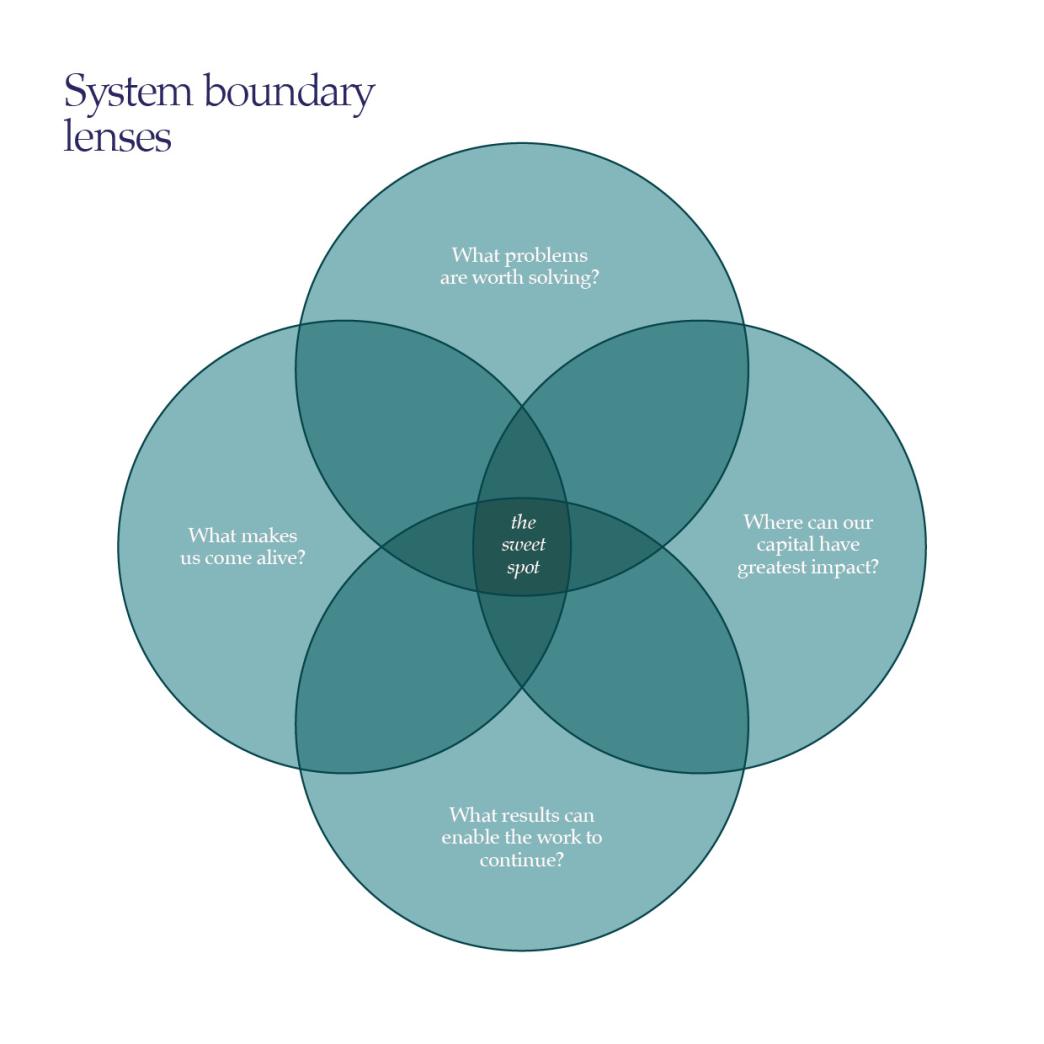
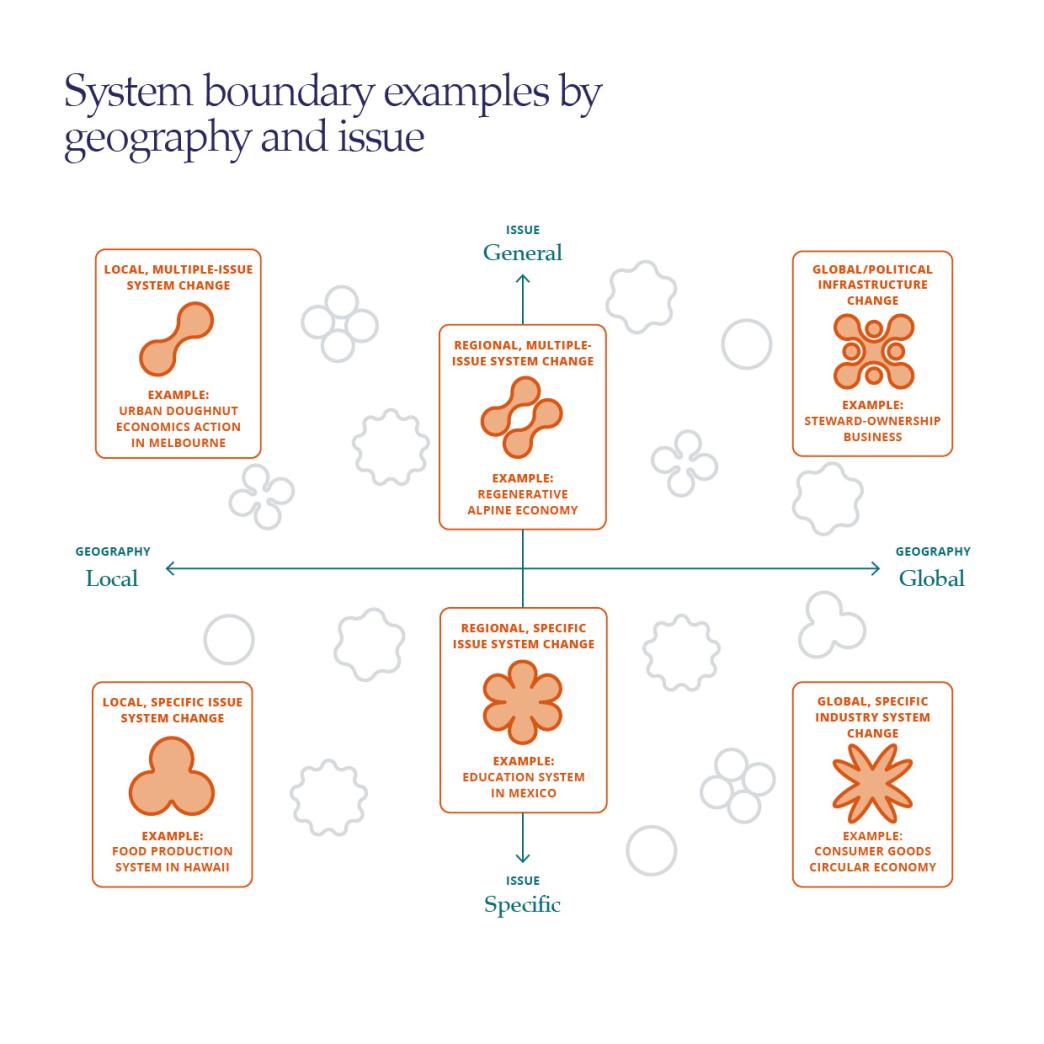
Start by identifying the part of a system you could feasibly hope to influence. This could be either the issue you feel passionate about, like education, or the geographic area you’d like to target, a city like Chicago for example. Envision the changes you would like to see in the redesign of that system. This both takes time and a lot of learning by doing. It will most like involve both being challenged by others and challenging yourself.
2. Understand the system
Having scoped a problem space, you will need to deepen your understanding of that system. Ask yourself what your understanding of the system is based on, where the biggest gaps in understanding might be, and who you should connect with to gain a deeper understanding. However, understanding the system is not a one-off event, it is a regular activity that needs to be constantly revisited, ideally with other stakeholders. This helps you understand your position and identify areas of overlap between your interests and the resource base you can mobilize.
3. Consider your role
Next, map the relevant actors and stakeholders. These can be fellow wealth holders, businesses, local community leaders, NGOs, think tanks, public administrators, and academics. This step helps you avoid duplication, establishes a holistic understanding of the system, and helps you build allyship. More often than not others are seeking to address the same issue that you are looking at.
4. Begin your systemic investing practice
Finally, identify points where you can intervene. You could support a “backbone” organization that helps to bring together actors and orchestrate efforts to effect change. These are often nonprofit entities established exactly for this purpose. Supporting them, whether financially, with networks, or with time is an excellent way to gain an understanding of a system. To build up systemic investing capacity over time, look to make philanthropic and financial investments that are synergistic with your existing investments. This could involve providing a grant or founding a new backbone organization if none exists. While not yet a widely established practice, there are systemic investing advisory firms emerging. Working with a specialized advisor can accelerate the process of strategy development and deployment.
Look to the pros
Training programs, such as the Investing for Systems Change run annually by the CSP in collaboration with the MIT Sloan Sustainability Initiative can help investors begin their systemic investing journey.

You might also be interested in
Systemic investing is an emerging approach to capital deployment.

Lean on your fellow wealth holders.

There is a continuous evolution of the impact and investing spaces, to meet the increasing financing needs for the global social, economic and environmental...
