
Cleantech venture capital is an increasingly prominent sustainable finance solution that plays a particularly important role in financing early-stage companies developing sustainable solutions. This article features content from the 2024 report “Beyond the Boom: A Critical Examination of Current Barriers in Cleantech Venture Capital Funding”, jointly published by the Center for Sustainable Finance and Private Wealth (CSP) Singapore and the Centre for Governance and Sustainability at the National University of Singapore. The original report sought to highlight the aim of advancing sustainable development and finance globally, with a specific focus on Asia and Singapore. This set the stage for an in-depth exploration of the barriers impeding cleantech venture capital funding, emphasizing the importance of long-term investment strategies and collaboration among key stakeholders to address issues such as misalignment with cleantech needs, investor knowledge gaps, and regulatory challenges.
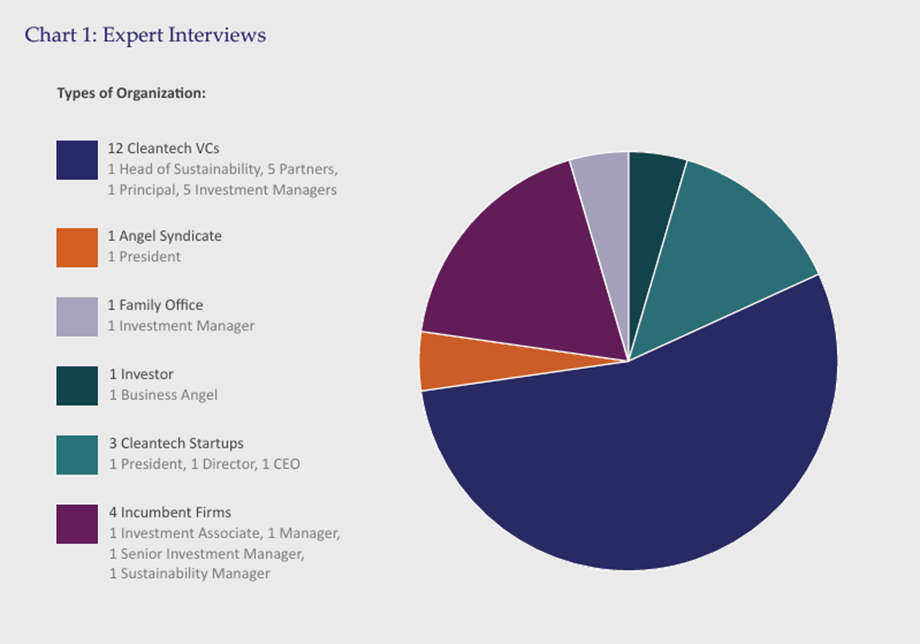
As the global economy pivots towards sustainability, the cleantech sector emerges as a pivotal arena for innovation and investment. However, despite the promising influx of capital and the critical role of cleantech in achieving environmental goals, the sector faces multifaceted barriers that challenge its growth and viability. This analysis, based on interviews with 22 experts across the cleantech ecosystem, identifies and explores the key barriers currently hindering cleantech investments. These barriers span government policies, investor strategies, entrepreneurial challenges, and the stance of incumbent firms, each contributing to the complex landscape that cleantech ventures must navigate.
Entrepreneur-Level Barriers
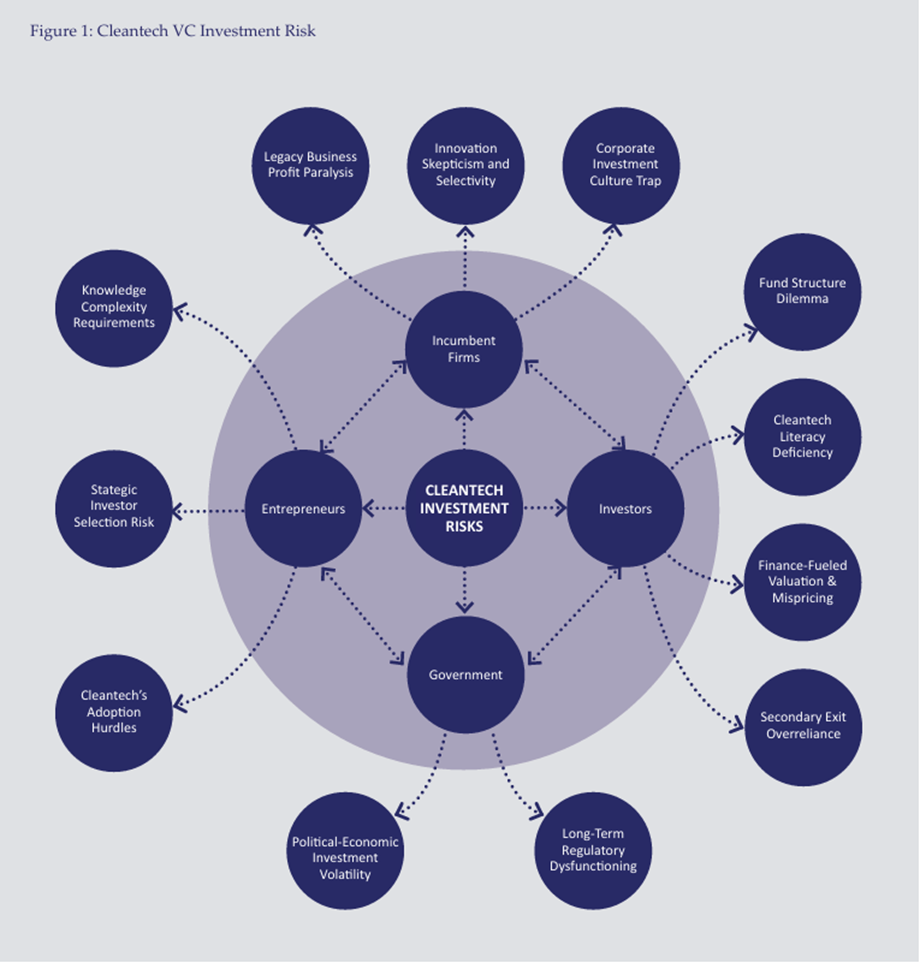
Knowledge Complexity Requirements: Cleantech ventures often require a multidisciplinary approach, blending diverse technological fields. This complexity demands that entrepreneurs possess or acquire a broad spectrum of knowledge, challenging the sector’s accessibility for founders with specialized expertise.
Strategic Investor Selection Risk: Securing funding that matches the developmental stage and specific needs of cleantech startups remains a pivotal challenge. Entrepreneurs must navigate capital gaps and find investors who not only provide financial backing but also understand and support the vision and long-term goals of cleantech ventures.
Cleantech’s Adoption Hurdles: The adoption of cleantech solutions faces obstacles from systemic resistance to new technologies and market readiness. Entrepreneurs must overcome these hurdles to ensure their innovations can achieve meaningful market penetration and drive systemic change.
Incumbent Firm-Level Barriers
Legacy Business Profit Paralysis: Incumbent firms in the energy sector often exhibit a reluctance to invest in cleantech due to the profitability of traditional energy sources. This “profit paralysis” hinders the sector’s willingness to embrace potentially disruptive cleantech innovations.
Innovation Skepticism and Selectivity: A cautious approach towards new technologies characterizes incumbent firms, particularly in the energy and oil and gas sectors. This skepticism and selectivity in adopting innovation can delay the integration of sustainable technologies into the existing energy infrastructure.
Corporate Investment Culture Trap: The cultural mismatch between the entrepreneurial spirit of cleantech startups and the established processes of incumbent firms poses a significant barrier. This divergence in cultures can lead to missed opportunities for collaboration and investment in cleantech solutions.
Government-Level Barriers
Political-Economic Investment Volatility: The cleantech sector’s susceptibility to political and economic fluctuations presents a significant barrier to sustained investment. Experts highlight the impact of policy changes on regulatory support and subsidies, which can shift dramatically with political cycles. Such volatility undermines investor confidence, as seen in varying commitments to cleantech under different U.S. administrations, illustrating the sector’s vulnerability to external political and economic forces.
Long-term Regulatory Dysfunction: A consistent theme among interviewed experts is the challenge posed by regulatory dysfunction, particularly the lack of long term, coherent policies supporting cleantech development. Disparities in government support across cleantech sub-sectors exacerbate this issue, with critical areas like domestic heating and ecosystem regeneration often overlooked, stalling their growth and investment attractiveness.
Investor-Level Barriers
Fund Structure Dilemma: Traditional venture capital models, characterized by relatively short investment horizons, clash with the cleantech sector’s need for long-term capital commitment. This dilemma complicates fund managers’ efforts to structure investments that align with the extended timelines required for cleantech innovations to mature and scale. The disparity between the expectation of quick returns and the reality of cleantech’s developmental pace is a recurrent barrier cited by experts, necessitating a re-evaluation of fund structures to better accommodate the sector’s unique demands.
Cleantech Literacy Deficiency: A notable barrier identified is the general lack of cleantech literacy among new and mainstream investors. This gap in understanding the specificities of the cleantech market—ranging from technological nuances to regulatory impacts—impairs investors’ ability to accurately assess risks and opportunities. Experts stress the importance of enhancing cleantech literacy to bridge the knowledge gap, enabling investors to make more informed decisions and support innovations with true impact potential.
Finance-Fuelled Valuation & Mispricing: The current hype surrounding cleantech has led to concerns about overvaluation and mispricing, driven by an oversupply of capital chasing limited high-quality opportunities. This environment risks inflating startup valuations beyond their intrinsic value, potentially setting the stage for future corrections or down rounds. Experts caution against the bubble-like dynamics fuelled by excessive financial enthusiasm, underscoring the need for more grounded valuation approaches that reflect the sector’s long-term prospects and technological realities.
Secondary Exit Overreliance: The cleantech sector’s reliance on secondary exits emerges as a significant barrier, underscored by the difficulties of pursuing initial public offerings or mergers and acquisitions for companies with minimal revenue or those far from market readiness. This reliance on alternative exit routes, such as selling stakes to subsequent investors, introduces a layer of financial instability and uncertainty, diminishing the attractiveness of cleantech ventures to potential investors. The overreliance on secondary exits not only reflects the current financial market’s limitations but also the cautious stance of incumbent firms, further complicating the path to successful investment exits.
MITIGATION STRATEGIES
Based on the identified risks, we propose some mitigation strategies to deal with cleantech VC investment risks.
Tailoring Investment Models to Cleantech through Long-term Investment Horizons: Encourage and develop funding mechanisms with longer maturity periods to match the developmental timelines of cleantech projects.
Enhancing Cleantech Literacy Among Investors through Educational Programs and Workshops: Create platforms for knowledge exchange between cleantech experts and investors to close the literacy gap and decrease the probability of mispricing cleantech assets.
Cultivating a Supportive Regulatory Environment through Policy Stability and Incentives: Advocate for consistent government policies that support cleantech innovation, including subsidies, tax incentives, and streamlined regulatory approvals.
Building Robust Exit Strategies through Early Engagement with Potential Acquirers: Initiate dialogue with incumbent firms and other potential acquirers early in the venture lifecycle to build relationships and align expectations.
Fostering a Culture of Collaboration and Innovation through Innovation Ecosystems: Support the establishment of cleantech hubs and incubators that provide startups with resources, mentorship, and networking opportunities.
Implications for Asian Wealth Holders
For Asian investors, the challenges and barriers identified in the cleantech sector highlight the need for a tailored approach to navigate the complexities of sustainable innovation. To capitalize on the sector's growth potential, Asian investors should consider adopting long-term investment horizons that align with the extended development timelines of cleantech ventures. Additionally, enhancing cleantech literacy through educational initiatives can help bridge knowledge gaps and mitigate risks related to overvaluation and mispricing. A supportive regulatory environment, characterized by consistent policies and incentives, is crucial for ensuring sustainable growth, while fostering collaboration with incumbent firms can help overcome adoption hurdles and create stronger exit pathways. By engaging in these strategies, Asian investors can better navigate the multifaceted landscape of cleantech, unlocking opportunities for impactful, long-term investments in the sector.
Learn more about the different approaches to sustainable investing in CSP SG’s Applied Sustainable Investing in Wealth Management courses, available at both a L3 (introductory) and L4 (intermediate) level. Readers interested in clean tech solutions can also attend CSP’s Carbonomics: Carbon Markets and Decarbonisation Strategies course.
You might also be interested in
The 3Cs framework: communication, connection, and commitment aims to help families find common ground and move forward together.

Internal mindsets, family dynamics, and social norms are the real obstacles to sustainable investing. A guide on how to spot them.

Learn how to set clear ambitions and use the UN SDGs to define where you want your sustainable investing journey to go.
